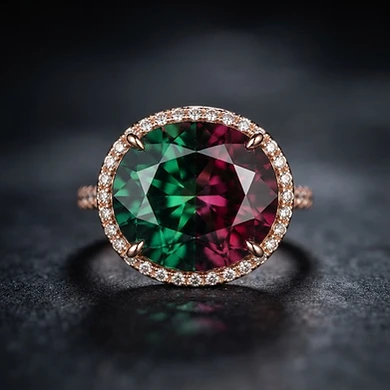
The Chameleon of the Gem World
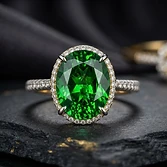
In the rarefied atmosphere of high-end jewelry, few stones command the same level of intrigue and prestige as alexandrite. Often described by connoisseurs as “emerald by day, ruby by night,” this extraordinary gemstone is the color-change variety of the mineral chrysoberyl. Its ability to shift from a lush, vibrant green or bluish-green in daylight to a deep, intense red or purplish-red under incandescent light is a phenomenon so distinct it is formally known as the “Alexandrite effect.”
First discovered in Russia’s Ural Mountains in the 1830s and named after Czar Alexander II, the gem quickly became a symbol of imperial luxury. Today, while new sources have emerged, the scarcity of high-quality material ensures that alexandrite remains a cornerstone of any serious investment-grade collection.
Gemological Profile and Rarity
Understanding the physical properties of alexandrite is essential for any investor. Chemically, it is a beryllium aluminum oxide (BeAl2O4) where trace amounts of chromium replace aluminum in the crystal structure, creating its unique optical behavior. It crystallizes in the orthorhombic system and boasts a hardness of 8.5 on the Mohs scale, making it exceptionally durable and suitable for daily wear in fine jewelry.
- Hardness: 8.5 (Mohs scale)
- Chemical Composition: BeAl2O4 (Chrysoberyl)
- Crystal System: Orthorhombic
- Notable Sources: Russia (historical), Brazil, Sri Lanka, East Africa, India, and Myanmar.
The rarity of alexandrite is driven by the geological improbability of its formation. The specific conditions required for chromium to interact with the chrysoberyl structure are exceedingly rare. While Russian mines were the original source, they are largely depleted, making authentic Russian alexandrite a historic treasure. Modern production from Brazil, Sri Lanka, and East Africa provides the market with limited supply, but fine-quality stones—particularly those over one carat—remain exceptionally difficult to source.
Investment Insights: What Drives Value
For the investor, it is critical to recognize that there is no universal price-per-carat for alexandrite. Unlike diamonds, which follow standardized grading, alexandrite value is determined by a complex interplay of factors. When evaluating a potential acquisition, consider the following:
The Quality of Color Change: This is the primary value driver. The most coveted stones exhibit a dramatic, clean shift between two distinct, saturated colors. Stones that appear too dark (lacking brightness) or too light (lacking intensity) will command significantly lower prices. The ideal specimen displays a vivid green in daylight and a strong, saturated red under incandescent light.
Origin and Provenance: While origin is a significant factor in the secondary market, the quality of the stone should always take precedence. However, stones with documented provenance from the original Russian Ural mines carry a premium due to their historical significance and extreme scarcity.
Certification: Never invest in high-value alexandrite without certification from a reputable laboratory, such as the GIA or AGL. These reports verify the stone’s natural origin and, crucially, confirm that the color change is inherent to the mineral rather than a result of synthetic treatment or imitation.
Strategic Acquisition
The market for alexandrite has shown remarkable resilience and growth. As supply from traditional mines remains stagnant and demand from global collectors increases, the long-term outlook for high-quality, untreated natural alexandrite is exceptionally strong. Investors should focus on acquiring stones that possess high clarity, a strong degree of color change, and a balanced, attractive cut. Because truly fine alexandrite is rarely seen in the public market, building a relationship with a trusted, expert dealer is the most effective way to secure investment-grade specimens that offer both aesthetic beauty and long-term value.
Conclusion
Alexandrite is more than just a June birthstone or a 55th-anniversary gift; it is a masterpiece of nature. Its unique optical properties, combined with its extreme geological scarcity, place it in an elite category of gemstones. For the discerning collector, alexandrite represents a rare opportunity to own a piece of history that continues to captivate the world with its magical, shifting colors. By prioritizing quality, certification, and provenance, investors can ensure that their acquisition remains a brilliant asset for generations to come.