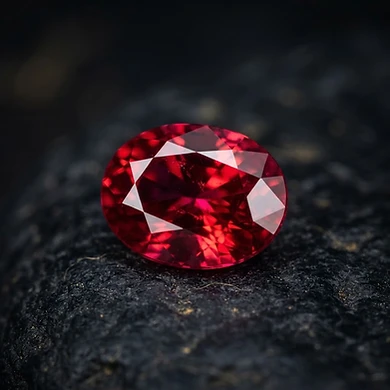
The Resurgence of a Royal Gem
For centuries, spinel lived in the shadow of the ruby, masquerading as the king of gemstones in the world’s most storied crowns. From the 14th-century Black Prince’s Ruby to the Timur Ruby, history’s most iconic red jewels were, in fact, magnificent spinels. Today, the gemological world has corrected this historical oversight, and spinel has emerged as one of the most coveted, underappreciated, and ethically compelling stones in the luxury market.
Unlike many of its peers, spinel is a gemstone that requires no introduction to those in the know. It is a stone of extraordinary brilliance and purity, prized by connoisseurs for its vibrant, saturated colors and its status as a largely untreated natural treasure.
Gemological Profile: Nature’s Perfect Crystal
Spinel is a magnesium-aluminum oxide (MgAl₂O₄) that crystallizes in the cubic system. This structural characteristic is key to its beauty: because it is singly refractive, it displays a pure, consistent color from every angle, free from the pleochroic shifts often seen in corundum (rubies and sapphires). With a hardness of 8 on the Mohs scale and no cleavage, it is exceptionally durable, making it an ideal choice for daily-wear fine jewelry.
- Chemical Composition: MgAl₂O₄
- Crystal System: Cubic
- Hardness: 8 Mohs
- Refractive Index: 1.71–1.74
- Notable Sources: Myanmar (Mogok), Sri Lanka, Tajikistan, and Tanzania.
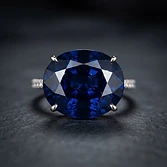
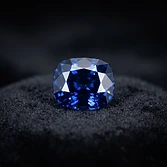
The gem’s color palette is vast, driven by trace elements. Chromium provides the sought-after "stoplight" reds and vivid pinks, while iron and cobalt contribute to deep violets and the rare, electric blues that rival the finest sapphires.
Why Spinel is a Collector’s Investment
In the modern market, spinel is increasingly viewed as a superior alternative to ruby. While rubies are frequently subjected to heat treatment to improve color and clarity, natural spinel is almost always untreated. This rarity of "natural perfection" is a significant driver of its rising value.
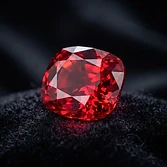
For the investor, the "Mogok red" spinel represents the pinnacle of the category. These stones possess a "lit-from-within" quality that is increasingly difficult to source. As the market continues to recognize the scarcity of high-quality, untreated material, prices for fine-grade spinels have seen a steady upward trajectory over the last two decades. When purchasing, prioritize stones with high transparency and vivid saturation, and always seek certification from reputable laboratories to confirm the stone’s natural, untreated status.
Buying Advice: Selecting Your Spinel
When selecting a spinel, color is your primary guide. While red remains the most famous, do not overlook the "fancy" colors. Cobalt-blue spinels are exceptionally rare and highly prized, while lavender, grey, and deep pink varieties offer unique aesthetic appeal for bespoke jewelry designs.
Because spinel is a specialized gem, it is essential to work with a jeweler who possesses deep gemological expertise. Ensure that your stone is evaluated for its cut—a well-cut spinel will maximize its natural brilliance and light return. Given its durability and the fact that it is rarely treated, a fine spinel is not just a purchase; it is a legacy piece that stands the test of time.
Conclusion
Spinel has finally shed its reputation as the "great imposter" to claim its rightful place as a luxury icon. Whether you are drawn to its historical significance, its remarkable physical properties, or its status as an untreated natural wonder, spinel offers a level of sophistication that few other gemstones can match. For the modern collector, it represents the perfect intersection of rarity, beauty, and enduring value.