The Regal Allure of Blue Sapphire
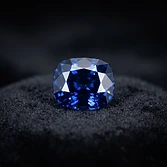
Blue sapphire has long held a position of prestige in the world of high jewelry, revered for its deep, velvety hues and exceptional durability. As a member of the corundum mineral family—the same family that produces rubies—blue sapphire is composed of aluminum oxide, with its iconic color derived from trace elements of iron and titanium. With a hardness of 9 on the Mohs scale, it is second only to the diamond in durability, making it an ideal choice for heirloom-quality engagement rings and daily-wear luxury pieces.
Beyond its physical resilience, the blue sapphire is steeped in history and symbolism, often associated with truth, faithfulness, and nobility. Whether you are a seasoned collector or a first-time buyer, understanding the nuances of this gemstone is essential to ensuring your investment is both beautiful and authentic.
Gemological Foundations and Quality Factors
When evaluating a blue sapphire, experts look beyond the surface to the stone's internal characteristics. Because natural sapphires are formed deep within the earth, they often contain inclusions—sometimes referred to as 'silk'—which are tiny needle-like rutile crystals. While some inclusions are expected in natural stones, the most valuable gems exhibit high transparency and vivid color saturation.
- Color: The most critical factor. Look for a pure, intense blue. Overly dark or grayish-blue stones are generally less valuable than those with a vibrant, medium-to-deep saturation.
- Clarity: While some inclusions are natural, the best stones are eye-clean. Be wary of stones that are perfectly flawless, as these may be synthetic.
- Cut: A superior cut maximizes the stone's brilliance and light reflection. A poorly cut sapphire will appear dull, regardless of its color quality.
- Crystal System: Sapphires belong to the trigonal crystal system, often displaying characteristic hexagonal growth lines that can be identified under magnification.
Navigating Treatments and Certification
In the modern market, it is vital to distinguish between untreated and treated stones. Heat treatment is a widely accepted industry practice used to permanently enhance a sapphire's color and clarity. While heat-treated stones are beautiful and durable, they are generally more affordable than rare, untreated specimens. Always request a report from a reputable gemological laboratory, such as the GIA (Gemological Institute of America), to confirm the stone's origin and any treatments it may have undergone.
For those seeking an investment-grade asset, prioritize stones with documented provenance and minimal to no treatment. These rare gems often appreciate in value over time, serving as both a wearable luxury and a tangible store of wealth.
Expert Buying Advice for the Discerning Collector
Purchasing a blue sapphire is a significant commitment. To ensure you are making a prudent decision, consider these professional tips:
- Work with Reputable Dealers: Always source your gemstones from established, transparent platforms that provide full disclosure regarding treatments and origin.
- Prioritize Certification: Never purchase a high-value sapphire without an independent laboratory report. This 'biography' of the stone is your best protection against misrepresentation.
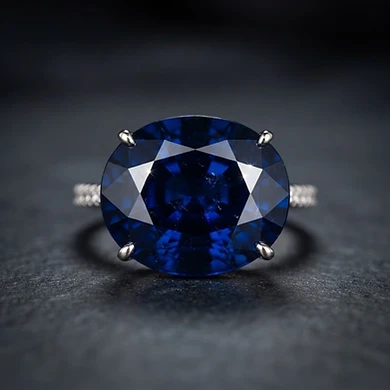
- Consider the Setting: Because sapphires lack cleavage planes, they are less prone to cracking than other gems, making them perfect for intricate, everyday settings.
- Understand Origin: While color is paramount, certain geographic origins—such as Kashmir or Burma—can command a premium due to their historical significance and unique aesthetic characteristics.
Conclusion
Blue sapphire remains a cornerstone of the luxury gemstone market, offering a perfect marriage of aesthetic brilliance and geological strength. By focusing on the quality of color, the integrity of the cut, and the transparency of the stone's history, you can confidently select a piece that will be cherished for generations. Whether you are drawn to the stone for its astrological significance, its investment potential, or its timeless beauty, a high-quality blue sapphire is a testament to the enduring power of nature's finest treasures.