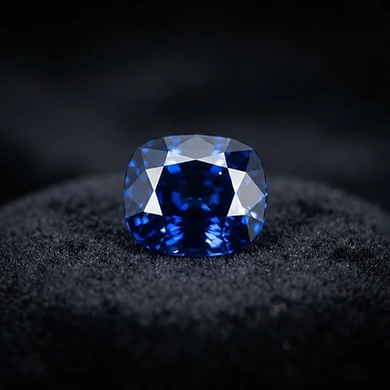
The Essence of Blue Sapphire
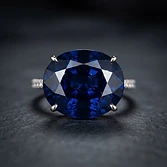
Blue sapphire is more than a gemstone; it is a testament to the enduring beauty of the natural world. As a member of the corundum family, this precious stone is composed of crystalline aluminum oxide. Its iconic, mesmerizing blue hue is the result of trace elements—specifically iron and titanium—interacting within the crystal lattice through a process known as intervalence charge transfer. With a hardness of 9 on the Mohs scale, it is second only to diamond in durability, making it an exceptional choice for heirloom-quality jewelry that withstands the rigors of daily wear.
Gemological Profile and Origins
Understanding the physical properties of blue sapphire is essential for any serious collector. Beyond its impressive hardness, sapphire belongs to the trigonal crystal system. While pure corundum is colorless, the presence of trace minerals creates the spectrum of blues that range from delicate cornflower to deep, velvety royal blue. Notable sources for these treasures include Sri Lanka, Myanmar (Burma), Kashmir, Madagascar, and Tanzania. Each region imparts unique characteristics to the stones, with Kashmir sapphires, in particular, being historically revered for their unparalleled, soft, velvety saturation.
Evaluating Quality: The Collector’s Perspective
When acquiring a blue sapphire, one must look beyond the surface. Quality is determined by a combination of factors, often referred to as the '4 Cs' of colored gemstones:
- Color: The most critical factor. Seek out strong, vibrant saturation. The tone should be neither too light nor too dark, allowing the stone to maintain its brilliance.
- Clarity: While natural sapphires often contain inclusions—sometimes referred to as 'silk'—the most valuable stones are those with minimal eye-visible inclusions. Be wary of stones that appear 'too perfect,' as this may indicate synthetic origin.
- Cut: A masterfully faceted sapphire maximizes light return and color distribution. The cut should enhance the stone's natural beauty without sacrificing excessive weight.
- Treatment: Always inquire about heat treatment. While heating is a common industry practice to improve color and clarity, untreated, natural sapphires command a significant premium in the investment market due to their extreme rarity.
Investment and Care
From an investment perspective, natural, untreated blue sapphires of significant size and exceptional color are considered stable, high-value assets. As supply from traditional mines fluctuates, the market for high-quality, certified stones continues to appreciate. To protect your investment, always insist on certification from reputable gemological laboratories. Caring for your sapphire is straightforward: clean with warm water, mild soap, and a soft brush. Because of its hardness, it is resistant to most environmental damage, but it should be stored separately from other jewelry to prevent it from scratching softer stones.
Conclusion
Whether you are drawn to the blue sapphire for its rich historical association with royalty, its profound astrological significance, or its status as a premier investment-grade gemstone, it remains a pinnacle of luxury. By prioritizing natural origin, exceptional color, and professional certification, you ensure that your acquisition is not merely a purchase, but a legacy to be cherished for generations.