The Renaissance of a Historical Icon
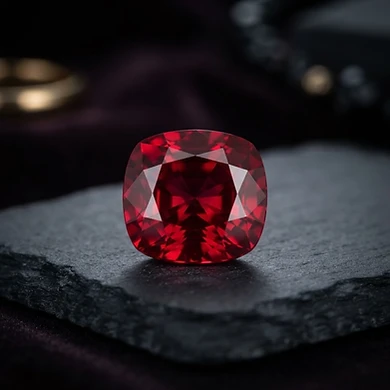
For centuries, the spinel lived a double life, hidden in plain sight within the world’s most prestigious treasuries. Known as the “Great Imposter,” it famously masqueraded as ruby in the British Crown Jewels; both the 170-carat Black Prince’s Ruby and the Timur Ruby were eventually revealed to be magnificent red spinels. Today, however, the spinel has stepped out from the shadow of its corundum cousins. No longer merely a substitute, it is now one of the most sought-after gems by high-jewelry houses and savvy investors alike, prized for its exceptional brilliance, natural purity, and a color palette that rivals any other mineral in the gem kingdom.
At TiliGems, we view the spinel as the ultimate connoisseur’s stone. Its appeal lies in its “honest” nature: unlike rubies and sapphires, which are routinely heat-treated to enhance their appearance, the vast majority of spinels are entirely natural and untreated. This inherent rarity, combined with a growing global demand, has positioned spinel as a premier asset for those looking to diversify their luxury portfolios with ethically sourced, high-performance gemstones.
The Spectrum of Splendor: Colors and Origins
The value of a spinel is dictated primarily by its hue, saturation, and the prestige of its origin. While the mineral occurs in a rainbow of shades, three specific varieties currently dominate the luxury market:
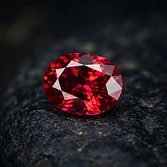
- Jedi Red (Myanmar): Named by gemologists for their lack of a “dark side” (extinction), these stones from the Mogok Valley possess a vibrant, neon-red glow. Their intense saturation is caused by high chromium content and a lack of iron, allowing the stone to fluoresce even in daylight.
- Mahenge Pink (Tanzania): Discovered in 2007, these electric, hot-pink spinels redefined the market. The best specimens from the Mahenge region exhibit a “neon” quality that appears to glow from within, making them a favorite for contemporary statement pieces.
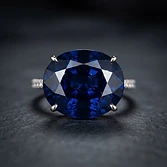
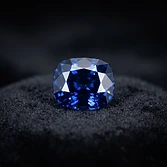
- Cobalt Blue (Vietnam): The rarest of all varieties, true cobalt spinels from Luc Yen are prized for their vivid, electric-blue saturation. Unlike the more common iron-rich blue spinels that can appear steely or dark, cobalt-colored stones are bright and intensely saturated, often commanding prices that rival fine sapphires.
Beyond these primary colors, the market has seen a surge in demand for “fancy” colors, including sophisticated lavender, cool grays, and vibrant oranges. These shades offer an accessible entry point for new collectors while providing a unique aesthetic for bespoke jewelry designs.
The Gemological Blueprint: Durability and Brilliance
From a technical perspective, the spinel is a gemological marvel. It belongs to the cubic (isometric) crystal system, typically forming as perfect octahedrons. This internal symmetry is significant because it makes the spinel singly refractive (isotropic). When light enters the stone, it is not split into two rays as it is in rubies or emeralds, resulting in a clarity of color and a level of brilliance that is exceptionally crisp.
In terms of durability, the spinel is an ideal candidate for daily wear, including engagement rings. It boasts a hardness of 8 on the Mohs scale, placing it just behind sapphire and ruby. Furthermore, the absence of cleavage—a tendency to break along specific planes—improves its overall toughness and resistance to chipping. Its chemical composition is Magnesium Aluminum Oxide (MgAl₂O₄), and its refractive index ranges from 1.712 to 1.736, contributing to its high luster and “vitreous” (glass-like) shine.
Investment Perspective: Navigating the Market
The investment landscape for spinel has shifted dramatically over the last decade. As the supply of top-tier untreated rubies dwindles, collectors have turned to red spinel as a viable, and often superior, alternative. Recent market data suggests that fine red and cobalt blue spinels have significantly outperformed traditional assets, with some experts noting they have even outpaced gold in terms of percentage growth over specific periods.
When buying for investment, size is a critical factor. While spinels are more common in smaller sizes, stones exceeding five carats in top-tier colors (Jedi Red or Cobalt Blue) are exceedingly rare and command exponential premiums. For those seeking the best “value for rarity,” the 2-to-5-carat range for Mahenge pinks or Vietnamese blues currently represents a “sweet spot” in the market. As mines in Luc Yen and Mogok face depletion, these stones are increasingly viewed as collector’s items rather than standard commercial goods.
The Connoisseur’s Checklist: Buying Advice
To ensure you are acquiring a museum-quality spinel, consider the following criteria:
- Clarity: Spinel is generally a Type II gemstone, meaning it often contains some inclusions. However, for luxury pieces, aim for “eye-clean” specimens. Look for stones where inclusions do not interfere with the light return or the structural integrity of the gem.
- Cut: Because spinel rough is often found in well-formed octahedral crystals, it is frequently cut into cushions or ovals to maximize weight retention. A well-proportioned cut will enhance the stone’s natural brilliance; avoid stones with deep “windows” where light leaks through the center.
- Treatment Status: Always insist on a report from a reputable lab (such as GIA or SSEF) to confirm the stone is natural and untreated. While synthetic spinels exist, they are easily identified by gemologists due to their different physical properties.
- Origin: While a stone should always be judged on its individual beauty, a documented origin from Myanmar (Burma) or Tanzania can add a significant premium to the stone’s resale value.
Conclusion: A Future-Proof Gemstone
The spinel is no longer the “underdog” of the gemstone world. It is a sophisticated choice for the modern collector who values natural beauty, durability, and historical depth. Whether you are drawn to the fiery passion of a Mogok red or the serene elegance of a Sri Lankan lavender, the spinel offers a unique combination of high-jewelry prestige and investment potential. As we look toward the future of luxury, the spinel stands as a testament to the enduring power of nature’s untampered brilliance.