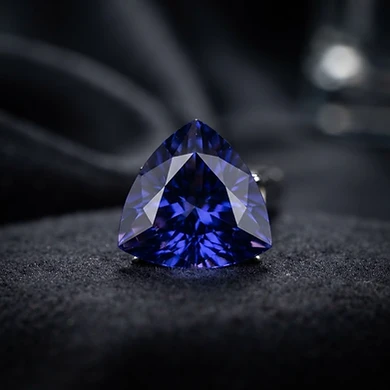
The Singular Beauty of Tanzanite
Tanzanite is a gemstone of unparalleled rarity, found in only one location on Earth: the Merelani Hills near Mount Kilimanjaro in Tanzania. As a blue-violet variety of the mineral zoisite, its discovery in the late 1960s and subsequent promotion by Tiffany & Co. catapulted it into the global spotlight. For the discerning collector, Tanzanite represents more than just aesthetic beauty; it is a geological miracle with a finite supply, making it a compelling subject for those interested in both luxury jewelry and gemstone investment.
Gemological Profile
Understanding the physical properties of Tanzanite is essential for any serious buyer. From a gemological perspective, Tanzanite is characterized by the following:
- Chemical Composition: A calcium aluminum silicate hydroxide, specifically a variety of the mineral zoisite.
- Crystal System: Orthorhombic.
- Hardness: It registers between 6.5 and 7 on the Mohs scale. While durable enough for most jewelry, it requires careful wear to avoid scratching or impact damage.
- Pleochroism: One of its most defining features is its strong pleochroism, meaning the stone displays different colors—typically blue, violet, and burgundy—when viewed from different angles.
Because it is classified as a Type 1 gemstone by the GIA, top-grade Tanzanite should ideally be eye-clean, as any visible inclusions or fractures significantly diminish its market value.
Market Dynamics and Value Drivers
The value of Tanzanite is dictated by the classic '4 Cs'—Color, Clarity, Cut, and Carat weight. However, unlike diamonds, where price increases exponentially with size, Tanzanite pricing is more heavily influenced by the intensity of its color saturation. The most sought-after stones exhibit a vivid, saturated blue or deep violet-blue hue. Stones that lean toward a lighter, lavender shade are generally more affordable, while the 'AAA' or 'Exceptional' grade stones command the highest premiums.
Market scarcity also plays a pivotal role. Because the supply is limited to a single source, regulatory changes and mining conditions in Tanzania can cause fluctuations in availability. As of 2026, the global market for this gemstone continues to grow, driven by an increasing demand for ethically sourced, rare colored stones. Investors often look for 'Investment Grade' specimens—stones that are cherry-picked for their superior color and clarity, often representing the top 1% of production.
Buying Advice for the Discerning Collector
When purchasing Tanzanite, it is vital to distinguish between standard commercial grades and investment-quality gems. If you are seeking a piece for an investment portfolio, prioritize the following:
- Color Saturation: Seek out the richest blue-violet hues. The deeper the saturation, the higher the value.
- Clarity: Always aim for eye-clean stones. Avoid any gems with visible fractures, as these are structural liabilities.
- Provenance: Ensure your purchase comes with reputable certification. Given the rise in synthetic alternatives and treatments, a GIA or similar laboratory report is non-negotiable for high-value acquisitions.
- Cut Quality: A well-proportioned cut maximizes the stone's natural pleochroism and brilliance, ensuring the color is distributed evenly throughout the gem.
While smaller stones are excellent for everyday jewelry, larger gems—particularly those exceeding 3 carats—are significantly rarer and often serve as the cornerstone of a high-end collection.
Conclusion
Tanzanite remains one of the most captivating gemstones in the modern market. Its combination of extreme geographic rarity, stunning color, and historical significance makes it a prized possession for any luxury enthusiast. Whether you are drawn to its deep, hypnotic blues or its potential as a tangible asset, Tanzanite stands as a testament to the beauty and scarcity of the natural world. By focusing on quality, provenance, and expert grading, collectors can ensure that their Tanzanite remains a cherished and valuable part of their collection for generations to come.