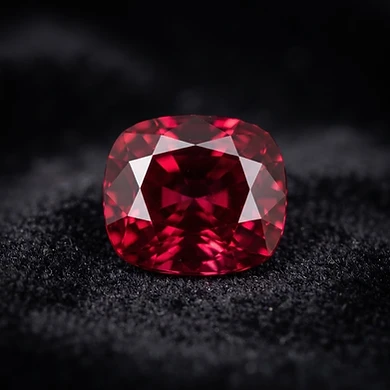
The Renaissance of a Royal Gem
For centuries, spinel lived in the shadow of the ruby. Its historical significance is profound—many of the world’s most famous 'rubies,' including the Black Prince’s Ruby in the British Crown Jewels, are actually magnificent red spinels. Today, however, the gemological community and discerning collectors have moved past this historical confusion, recognizing spinel as a distinct, high-value treasure in its own right. As a singly refractive gemstone with a cubic crystal system, spinel offers a unique brilliance and clarity that is increasingly sought after by those who value natural, untreated beauty.
Gemological Profile: Nature’s Masterpiece
Spinel is a magnesium aluminum oxide (MgAl₂O₄) that boasts impressive durability, making it an excellent choice for fine jewelry. With a hardness of 8 on the Mohs scale, it is highly resistant to scratching and, due to its lack of cleavage, possesses remarkable toughness. Unlike many other colored stones that undergo extensive heat or chemical treatments to enhance their appearance, fine-quality natural spinel is almost exclusively found in its original, untreated state. This inherent purity is a significant driver of its growing market value.
- Crystal System: Cubic (Isometric)
- Hardness: 8 (Mohs Scale)
- Refractive Index: 1.712 – 1.762
- Notable Sources: Myanmar (Mogok), Tanzania (Mahenge), Vietnam, Sri Lanka, and Tajikistan.
Market Dynamics and Investment Potential
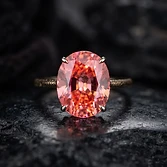
The market for spinel has shifted dramatically over the last decade. As consumers become more educated, the demand for rare, natural gemstones has surged, pushing prices for top-tier specimens upward. While spinel remains more affordable than ruby or sapphire of comparable quality, the gap is closing rapidly. Collectors are particularly drawn to the 'Jedi' red spinels from Myanmar and the vibrant 'Mahenge' pinks from Tanzania. Because fine-quality rough is rarely found in sizes exceeding five carats, large, clean stones command a significant premium, often escalating exponentially in price as carat weight increases.
From an investment perspective, the scarcity of high-quality, untreated material provides a compelling case for long-term value appreciation. Unlike synthetic counterparts, which are grown in laboratories for industrial or mass-market use, natural spinel possesses a unique geological history that cannot be replicated. For the luxury buyer, this rarity is the ultimate hallmark of exclusivity.
Buying Advice for the Discerning Collector
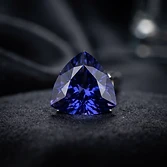
When acquiring spinel, color is the primary determinant of value. The most coveted hues are vivid, saturated red, intense cobalt blue, and the electric 'hot pink' varieties. Clarity is equally vital; because spinel is often transparent, visible inclusions can detract from its brilliance. When evaluating a stone, look for a well-proportioned cut that maximizes light return, as a superior cut can significantly enhance the gem's natural fire.
Always prioritize stones with reputable laboratory certification to confirm their natural, untreated status. As the market continues to mature, provenance and the absence of enhancement will remain the most critical factors in maintaining and growing the value of your collection.
Conclusion
Spinel is no longer the 'overlooked' gem of the mineral world. It is a sophisticated, durable, and breathtakingly beautiful stone that offers a rare combination of historical prestige and modern investment potential. Whether you are drawn to its fiery reds or its cool, oceanic blues, investing in natural spinel is an investment in one of nature’s most exquisite and authentic creations.